

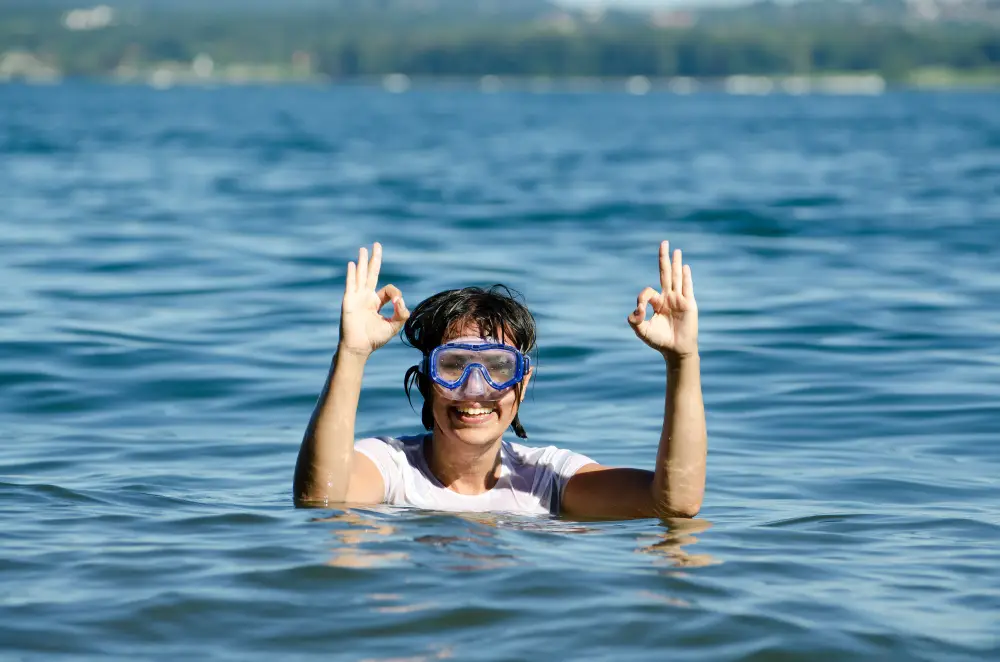
Is Punta Uva Beach Safe for Swimming? What Travelers Should Know
Punta Uva Beach is one of the most beautiful places to enjoy Costa Rica’s southern Caribbean coast. With turquoise water, tropical vegetation, golden sand, and a peaceful atmosphere, it attracts travelers looking for a beach where they can relax, swim, and connect with nature.
But is Punta Uva Beach safe for swimming? In many conditions, certain sections of the beach offer relatively calm water, particularly around the reef protected areas. However, ocean conditions can change depending on weather, waves, wind, tides, and currents. Understanding these conditions is essential before entering the water.
If you are planning a visit to Punta Uva, this guide explains what to expect, where swimming conditions may be calmer, what precautions to take, and how to enjoy the Caribbean coast responsibly.
Is Punta Uva Beach Safe for Swimming?
Punta Uva Beach can be a good place for swimming when ocean conditions are calm. Some sections benefit from natural protection created by the nearby reef and coastal formations, which can reduce wave energy and create more sheltered areas.
The Arrecife area is often mentioned as one of the more protected sections for swimming and snorkeling. Nevertheless, calm looking water does not automatically mean there are no currents or underwater hazards.
Conditions can change throughout the day. Wind, rainfall, waves, and changing tides may affect visibility and water movement. For this reason, visitors should always check the ocean before swimming rather than relying only on previous experiences or general descriptions of the beach.
The safest approach is to ask local residents, accommodation staff, or lifeguards about current conditions. If the water looks rough, there are strong currents, or you notice warning signs, stay out of the ocean.
Which Areas of Punta Uva Are Best for Swimming?
Punta Uva has different coastal sections, and the swimming experience can vary depending on where you enter the water.
Playa Arrecife
Playa Arrecife is commonly associated with the reef protected sections of Punta Uva. When the sea is calm, these areas may offer more sheltered conditions than exposed stretches of coastline.
The reef also creates interesting underwater environments for observing marine life. However, visitors should be careful around coral, rocks, and shallow reef formations. Avoid stepping on coral or touching marine organisms, and do not enter unfamiliar water if visibility is poor.
Water shoes may be useful in rocky areas, but they do not eliminate the risks associated with reefs or currents.
Punta Uva Beach
The main beach area is known for its palm lined shoreline, tropical scenery, and inviting Caribbean water. It is an excellent place to enjoy the landscape, walk along the sand, and spend time near the ocean.
Swimming conditions depend on the specific section and the weather that day. Before entering, observe the waves and ask someone familiar with the beach whether swimming is advisable.
Areas Near the River and Coastal Vegetation
Punta Uva is also known for its natural surroundings, including the nearby river and lush vegetation. These environments are beautiful for photography and exploring, but river mouths and areas where freshwater meets the ocean can have changing currents.
Do not assume that shallow or sheltered looking water is automatically safe. Check the conditions before entering any natural waterway.
Understanding Ocean Currents at Punta Uva
One of the most important things to understand before swimming in Costa Rica is the presence of rip currents.
Rip currents are powerful channels of water that move away from the shore. They can occur at different beaches and may be difficult to identify, even when the ocean appears relatively calm.
The Costa Rican Tourism Institute recommends that visitors learn how to recognize these currents and avoid swimming alone.
Some possible warning signs include:
A channel of turbulent water moving away from the beach.
An area with a noticeably different water color.
Foam, seaweed, or floating material moving steadily offshore.
A section where waves behave differently from the surrounding shoreline.
These signs are not always visible, so never depend on appearance alone to determine whether the ocean is safe.
If you are caught in a rip current, try to remain calm and conserve your energy. Do not fight the current by swimming directly against it. Follow local emergency guidance, seek assistance, and signal for help if you cannot return to shore safely.
Safety Tips for Swimming at Punta Uva Beach
Enjoying the Caribbean Sea starts with making responsible decisions. Even experienced swimmers should pay attention to local conditions.
Check the Ocean Before Entering
Spend a few minutes observing the water. Look at the waves, wind, and movement of the ocean. If you are uncertain, ask a local person or lifeguard for advice.
Do not enter the water during storms, when waves are unusually strong, or when warning signs indicate dangerous conditions.
Avoid Swimming Alone
Swimming with another person is a basic safety precaution. It is especially important at beaches where lifeguard coverage may be limited or unavailable.
Keep children under constant adult supervision and never allow them to enter the ocean alone.
Know Your Swimming Abilities
Choose water conditions that match your swimming experience. If you are not a confident swimmer, remain in shallow water only when conditions are appropriate and avoid entering the ocean when waves or currents are strong.
Even shallow water can be dangerous when currents are present.
Be Careful Around Coral and Rocks
Punta Uva’s coastal environment includes reef and rocky areas. Walking or swimming over coral can damage fragile marine ecosystems and cause injuries.
Avoid touching coral, stepping on reef formations, or disturbing marine animals. If you plan to snorkel, choose suitable conditions and consider getting advice from an experienced local guide.
Protect Yourself From the Tropical Sun
The Caribbean sun can be intense, even when clouds cover the sky. Use reef conscious sunscreen, wear a hat, and drink enough water throughout the day.
Taking breaks in the shade is especially important if you plan to spend several hours at the beach.
Follow Local Warnings
Beach conditions can change quickly. Pay attention to warning signs, flags, and instructions from local authorities or lifeguards.
The presence of a lifeguard station does not necessarily mean it is staffed at the time of your visit. Confirm whether supervision is actually available before entering the ocean.
Is Punta Uva Good for Snorkeling?
Punta Uva can also be an interesting destination for snorkeling when the water is calm and visibility is suitable.
The reef environments around the area provide opportunities to observe tropical marine life and underwater formations. Depending on conditions, visitors may see different types of reef fish and other marine organisms.
However, snorkeling should only take place when the ocean is appropriate for the activity.
Before going into the water, check visibility, currents, waves, and reef conditions. Avoid snorkeling alone or in areas where you are unfamiliar with the underwater terrain.
If you want to explore beyond the beach, consider joining a guided snorkeling experience with a qualified local operator. A knowledgeable guide can help you choose a suitable location and understand how to interact responsibly with the marine environment.
What Is the Best Time of Day to Visit Punta Uva Beach?
Morning is often a pleasant time to visit Punta Uva. The beach may feel quieter, temperatures are generally more comfortable, and the natural surroundings offer beautiful light for photography.
However, there is no guaranteed safest hour for swimming. Wind, rainfall, tides, and ocean conditions can change at any time. A calm morning does not guarantee calm conditions later in the day.
Instead of planning your swim around a fixed schedule, check the conditions when you arrive and follow local recommendations.
If the ocean is not suitable for swimming, you can still enjoy the beach by walking along the shoreline, relaxing under the trees, taking photographs, or exploring nearby natural attractions.
What Else Can You Do Near Punta Uva?
Even if swimming is not recommended on a particular day, Punta Uva offers plenty of ways to enjoy Costa Rica’s Caribbean coast.
You can walk along the tropical shoreline, explore the surrounding vegetation, enjoy a relaxing afternoon by the beach, or discover other destinations in the area.
Puerto Viejo de Talamanca is a convenient base for exploring the southern Caribbean. It offers restaurants, local shops, cultural experiences, and access to several beaches.
Nearby destinations such as Playa Chiquita, Playa Cocles, and Manzanillo provide additional opportunities to discover the region. Remember that each beach has its own ocean conditions, so always check safety information before swimming.
For travelers who enjoy nature, the region also offers opportunities to explore tropical forests, observe wildlife, and experience the Caribbean lifestyle.
Where to Stay Near Punta Uva Beach
Choosing accommodation near Punta Uva makes it easier to enjoy the beach without rushing your day. Instead of spending most of your time traveling between destinations, you can enjoy the surrounding nature, explore nearby attractions, and return to a peaceful place to relax.
At awā Beach, guests can experience a tropical setting surrounded by the natural beauty of Costa Rica’s Caribbean coast.
Whether you are planning a romantic escape, a relaxing vacation, or a longer stay, awā Beach offers different accommodation options to suit your travel preferences.
Explore the Exclusive Jungle Suite for a stay surrounded by tropical nature, or discover the Garden View Superior for a relaxing experience with garden surroundings.
You can also explore the Ocean View Master and other accommodation options to find the setting that best matches your trip.
Discover the available awā Beach amenities and plan a stay that combines relaxation, nature, and easy access to the southern Caribbean.
Punta Uva is a destination worth exploring at a slower pace. By checking ocean conditions, following local safety recommendations, and choosing responsible activities, you can make the most of your visit while respecting the natural environment.
Final Thoughts
So, is Punta Uva Beach safe for swimming? It can offer enjoyable swimming conditions in sheltered areas when the ocean is calm, but safety always depends on the conditions at the time of your visit.
Check for currents, waves, and local warnings before entering the water. Never swim alone, supervise children, and avoid the ocean when conditions are uncertain.
With its tropical scenery, reef environments, and relaxed Caribbean atmosphere, Punta Uva remains an appealing destination for travelers who want to experience Costa Rica’s southern Caribbean coast responsibly.
Frequently Asked Questions (FAQ)
1. Is Punta Uva Beach safe for swimming?
2. Does Punta Uva Beach have lifeguards?
Lifeguard coverage can vary. Some official travel advisories list Punta Uva among Caribbean beaches with limited lifeguard presence, but stations may not always be staffed. Always confirm whether a lifeguard is available during your visit.
3. Can you snorkel at Punta Uva Beach?
Yes, snorkeling may be possible around reef areas when the water is calm and visibility is suitable. Visitors should avoid touching coral, check currents, and consider joining a guided snorkeling experience.
4. What is the best time to swim at Punta Uva?
Morning can be a pleasant time to visit the beach, but there is no guaranteed safest time to swim. Ocean conditions depend on weather, wind, waves, and currents, so always check the conditions on the day of your visit.