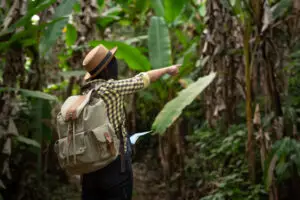


Regenerative travel in Costa Rica is a way of exploring the country while actively contributing to the health of its ecosystems and local communities. Instead of focusing only on reducing the negative effects of tourism, regenerative travel asks a more ambitious question: how can a vacation leave a destination stronger than it was before?
Costa Rica is especially well suited to this approach. Its tropical forests, beaches, rivers, wildlife, and local communities are closely connected. Protecting one part of the environment often supports the others. When travelers choose responsible accommodations, respect natural habitats, support local businesses, and participate in conservation efforts, their visit can become part of a larger positive cycle.
On the Caribbean coast, regenerative travel takes on a particularly meaningful role. The region combines rainforest, coral ecosystems, rivers, beaches, and a rich cultural identity. A thoughtful visit can support the protection of these environments while also helping local communities continue to thrive.
Regenerative Travel Goes Beyond Sustainable Tourism
Sustainable tourism generally focuses on reducing environmental impact. This can include saving water, reducing waste, limiting energy consumption, and protecting natural resources. These actions are essential, but regenerative travel takes the concept further.
Regenerative travel aims to restore, renew, and improve the places people visit. It considers the long term relationship between tourism, nature, residents, and future generations.
For travelers, this can mean choosing experiences that support conservation rather than exploit wildlife. It can mean staying at a property that respects its surroundings, eating at locally owned restaurants, purchasing handmade products directly from artisans, or joining activities that contribute to environmental education.
The goal is not to make travel perfect. The goal is to make more conscious decisions that create a positive impact over time.
Why Costa Rica Is an Ideal Destination for Regenerative Travel
Costa Rica has long been recognized for its biodiversity and environmental initiatives. Its natural landscapes are not simply attractions for visitors. They are living ecosystems that support wildlife, local livelihoods, agriculture, and community identity.
The country’s forests help protect watersheds, provide habitat for animals, and contribute to climate regulation. Coastal ecosystems support marine life and protect shorelines. Local communities often depend on the health of these environments for tourism, fishing, farming, and other economic activities.
This interconnectedness makes Costa Rica an ideal place to practice regenerative travel. Visitors can contribute by understanding that nature is not separate from the travel experience. It is the foundation of that experience.
A walk through the rainforest, a visit to a local restaurant, or a quiet morning near the ocean can become more meaningful when travelers recognize the importance of protecting the environment that makes these moments possible.
How Your Vacation Can Give Back to Nature
Regenerative travel does not always require a large donation or a formal volunteer program. Everyday travel decisions can support the environment and local communities.
Choose Accommodation That Respects Its Environment
Where you stay plays an important role in the impact of your vacation. Look for accommodations that integrate thoughtfully with the surrounding landscape, manage resources responsibly, reduce unnecessary waste, and respect local ecosystems.
A nature focused property should allow guests to enjoy the environment without treating it as something disposable. This can include protecting existing vegetation, limiting disturbance to wildlife, using water responsibly, and maintaining outdoor spaces in ways that support local biodiversity.
At awā Beach, the experience is closely connected to the natural surroundings of Punta Uva. Guests can choose from accommodations designed to offer comfort while remaining immersed in the tropical landscape.
The Garden View Standard Suite offers a peaceful setting surrounded by greenery, while the Garden View Superior Suite provides another option for travelers who want to stay close to the rainforest atmosphere.
For guests seeking a more expansive experience, the Master Jungle Suite and Exclusive Jungle Suite create an intimate connection with the surrounding vegetation and natural environment.
Support Local Businesses and Producers
One of the most direct ways to practice regenerative travel is to keep tourism spending within the local community.
Choose locally owned restaurants, cafés, guides, transportation providers, shops, and creative businesses whenever possible. Purchasing local products helps support families and entrepreneurs while preserving the cultural character of the destination.
On Costa Rica’s Caribbean coast, food is an important part of the local identity. Caribbean flavors, fresh ingredients, cacao, coconut, tropical fruits, and traditional cooking methods reflect the region’s history and cultural diversity.
Supporting local dining and purchasing products made by local artisans can help ensure that tourism benefits more than large international businesses.
Respect Wildlife and Natural Habitats
Costa Rica’s wildlife is one of its greatest attractions, but animals should always be observed responsibly.
Regenerative travel means allowing wildlife to remain wild. Travelers should avoid touching animals, feeding them, chasing them, blocking their movement, or using flash photography when it may disturb them. It is also important to maintain a respectful distance and follow the guidance of local conservation organizations or experienced guides.
The same principle applies to plants and natural landscapes. Avoid removing shells, coral, rocks, flowers, or other elements from the environment. Stay on designated paths when hiking and avoid damaging vegetation.
Small actions can help protect the ecosystems that future visitors and local communities depend on.
Reduce Waste During Your Stay
Reducing waste is a practical way to make a vacation more responsible. Travelers can bring reusable water bottles, avoid unnecessary single use plastics, choose products with minimal packaging, and separate waste according to local guidelines.
It is also helpful to avoid leaving trash on beaches, trails, roads, or in natural areas. Even small pieces of plastic can create serious risks for wildlife and marine ecosystems.
When visiting the Caribbean coast, travelers should be especially careful with waste near rivers and beaches. Rainfall can carry discarded materials into waterways and eventually into the ocean.
Use Water and Energy Thoughtfully
Costa Rica’s tropical climate can make water and energy consumption easy to overlook. Regenerative travel encourages visitors to use both resources mindfully.
Simple choices include taking shorter showers, reusing towels when appropriate, turning off lights and air conditioning when leaving a room, and avoiding unnecessary laundry. These actions may seem small, but they become more meaningful when practiced consistently by many travelers.
Responsible accommodation providers often create systems that help guests conserve resources without compromising comfort. Travelers can support these efforts by following the guidelines provided during their stay.
Regenerative Travel on the Caribbean Coast
The Caribbean coast of Costa Rica offers a unique environment where rainforest and ocean exist in close proximity. Areas around Puerto Viejo, Punta Uva, Manzanillo, and Cahuita contain beaches, forest habitats, waterways, and communities with deep cultural roots.
Because these ecosystems are interconnected, travelers should consider the broader impact of their activities. A visit to the beach, for example, should include responsible waste disposal and respect for marine life. A rainforest excursion should prioritize experienced local guides and low impact practices.
Staying in a quieter natural setting can also encourage a different type of travel. Instead of rushing between attractions, visitors can spend more time observing, learning, and appreciating the destination.
At awā Beach, guests can enjoy the natural surroundings through spaces designed for rest and connection. The Ocean View Master Suite offers views that bring the Caribbean landscape into the experience, while the Ocean View Premium Suite and Ocean View Superior Suite provide additional ways to enjoy the coastal setting.
Guests can also explore the property’s amenities and choose spaces that support a slower, more mindful approach to travel.
Choose Experiences That Create Positive Impact
Regenerative travel is also about the experiences travelers choose. Activities that support local knowledge, environmental education, and cultural preservation can offer deeper value than experiences focused only on consumption.
Consider booking tours with local guides who understand the ecosystems and communities of the region. Look for experiences that teach visitors about wildlife, forests, marine environments, food traditions, or local history.
Travelers can also seek out activities that do not require excessive infrastructure or create unnecessary environmental pressure. Walking, cycling, swimming in appropriate areas, visiting local markets, and exploring with knowledgeable guides can be meaningful ways to experience Costa Rica.
The most important question is not simply whether an activity is popular. It is whether the activity respects the place, the people, and the environment.
Travel More Slowly and Stay Longer
One of the principles connected to regenerative travel is the idea of slowing down. Longer stays can reduce the pressure associated with constant movement while allowing travelers to develop a deeper relationship with a destination.
Instead of trying to visit as many places as possible, consider spending more time in one region. This can reduce transportation emissions, support local businesses for a longer period, and create opportunities to understand the culture and natural environment more fully.
A slower stay on the Caribbean coast might include quiet mornings near the ocean, time spent exploring nearby communities, locally prepared meals, nature walks, and moments of rest surrounded by tropical vegetation.
This approach can also make the vacation more restorative for the traveler. By moving at a slower pace, visitors often become more attentive to the details of the destination.
Regenerative Travel Is About Relationships
At its core, regenerative travel is not only about environmental practices. It is about relationships.
It recognizes that destinations are homes, not just vacation products. Forests are habitats, not just scenery. Beaches are ecosystems, not just places for photographs. Local communities are partners in tourism, not simply service providers.
This perspective encourages travelers to ask better questions. Who benefits from my visit? How is the environment being protected? Am I respecting local customs? Does this experience support the long term wellbeing of the destination?
These questions can transform the way people travel.
How to Plan a More Regenerative Costa Rica Vacation
Before traveling, research accommodations and tour providers that demonstrate clear environmental and community practices. Look for transparency rather than relying only on broad labels.
During your trip, prioritize local businesses, respect wildlife, reduce waste, conserve resources, and follow local recommendations. Avoid activities that exploit animals or damage natural habitats.
After returning home, continue supporting the places and organizations that made your experience meaningful. You can recommend responsible businesses, share educational information, and encourage others to travel with greater awareness.
Regenerative travel is not about being a perfect traveler. It is about making choices that help protect the destination and support the people who call it home.
A Vacation That Leaves Something Positive Behind
Regenerative travel in Costa Rica invites visitors to think beyond what they receive from a destination. The rainforest, beaches, wildlife, food, and culture create unforgettable experiences, but travelers can also contribute to their protection.
By choosing thoughtful accommodation, supporting local communities, respecting nature, reducing waste, and traveling at a slower pace, your vacation can become part of a more positive future.
On the Caribbean coast, this approach allows visitors to experience the beauty of Costa Rica while recognizing their role in preserving it. A meaningful vacation is not only measured by the memories you take home, but also by the care you leave behind.
Frequently Asked Questions (FAQ)
What is regenerative travel in Costa Rica?
Regenerative travel in Costa Rica is an approach to tourism that aims to create a positive impact on nature and local communities. It goes beyond reducing environmental harm by supporting restoration, conservation, cultural preservation, and long term community wellbeing.
How is regenerative travel different from sustainable tourism?
Sustainable tourism generally focuses on reducing negative environmental and social impacts. Regenerative travel goes further by seeking opportunities to restore ecosystems, strengthen communities, and leave a destination healthier than before.
How can travelers support nature in Costa Rica?
Travelers can support nature by respecting wildlife, avoiding single use plastics, conserving water and energy, staying on designated trails, choosing responsible tour operators, and supporting conservation initiatives or local businesses.
Is staying at an eco friendly hotel part of regenerative travel?
Yes. Choosing accommodation that protects natural surroundings, manages resources responsibly, reduces waste, and supports local communities can be an important part of regenerative travel.